Friday, September 11, 2026Français/English
The foundations behind the news.
The Foundations
THE FUNDAMENTAL
Economy, decoded

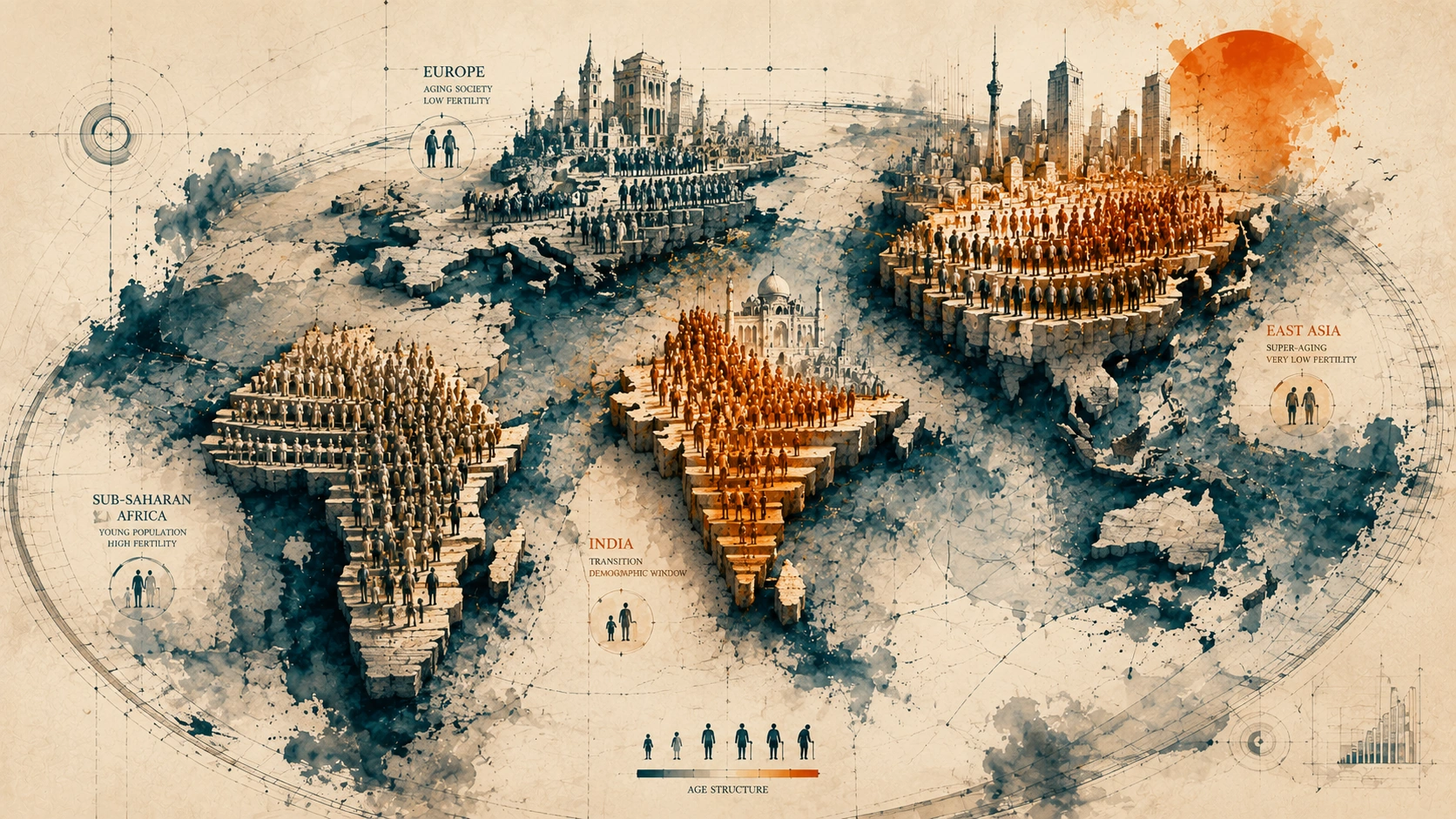
Behavioral economics: biases, nudges and their real limits

You never chose how much you save each month: someone chose for you, and you agreed by doing nothing. Behavioral economics measured that gap between intention and action, then turned it into a governing tool adopted in more than fifty countries. Field data later forced a severe correction that almost nobody noticed, and it changes how published findings should be read.

Read this fundamental →
Behavioral economics: biases, nudges and their real limits
Our method

The news moves on. Your bearings stay.

We connect each event to the mechanism at work behind it. We explain it from scratch, no prior knowledge needed. Briefs to follow the news, fundamentals to keep your bearings.

THE FUNDAMENTAL

The latest fundamentals

Explore all →
Fiscal Policy Explained: Spending, Deficits, Multipliers
Economy, decoded

Fiscal Policy Explained: Spending, Deficits, Multipliers

Governments have never paid so much interest: close to 3 percent of world GDP, against 2 percent four years ago. Yet the budget debate is still framed as a choice between spending more and spending less. Understanding fiscal policy means understanding why the same unit spent has twice the effect in a recession, and why global public debt would cross 100 percent of GDP as early as 2029.

The foreign exchange market: how currency prices are set
Economy, decoded

The foreign exchange market: how currency prices are set

Every day, $9.6 trillion changes hands on the largest and quietest market on earth, one with no exchange floor and no opening bell. In the first half of 2025 the dollar posted its worst half-year since 1973, yet its dominance grew. How can a currency lose value and gain influence at once? This Fundamental explains how the price of a currency is truly set.

The labor market: unemployment, flexibility, automation
Economy, decoded

The labor market: unemployment, flexibility, automation

Global unemployment has never been lower: 4.9% in 2025. Yet more than 400 million people would like to work and cannot, and every month millions of jobs vanish while others are born. Behind a single number lies a mechanism in constant motion, one that automation and artificial intelligence promise to upend. Understanding the labor market means learning to read what the unemployment rate does not say.

THE BRIEF

The briefs of the moment

All the briefs →

Open access

Start reading, for free.

16 Fundamentals free to read across 4 guided paths. The first of each path is open to everyone; the rest are free for members.

Explore the free paths →
Newsletter

The foundations, in your inbox.

A free weekly selection of our analyses. No account needed.

Premium subscription

All the Fundamentals, unlimited.

The whole library of Fundamentals, plus four new deep dives every month, to build the foundations the news never gives you.

Start for €9/month
  • Full access to the library: 46 Fundamentals
  • Four new articles every month
  • Free briefs
  • Cancel anytime